Sofa Cleaner in London

We provide sofa cleaning in London for homes and workplaces that need upholstered furniture cleaned with care, attention and a practical method. Our service is focused on sofas, armchairs, footstools and other fabric seating, with work planned around the material, the level of soiling and the finish you want to protect. The aim is straightforward: refresh the upholstery, remove everyday build-up and help the furniture look presentable again without unnecessary fuss.
A proper upholstery clean is not only about appearance. Sofas collect dust, body oils, crumbs, drink marks and general wear from daily use, and those marks can settle deep into fibres. Different fabrics need different handling, so we choose the cleaning approach with the upholstery in mind rather than relying on a single routine for every item. If you need help with a well-used family sofa or a more delicate suite, our work is built around the item itself. That careful approach matters.
Alongside the main sofa clean, we can also support related upholstery and fabric-cleaning needs where the item and material are suitable. If you are comparing options, you can look at the service details first and then decide what fits your furniture best. When you are ready, request a quotation in plain terms and we will discuss the job sensibly.
How our sofa cleaning service works
We start by assessing the upholstery type, the condition of the fabric and the visible staining or dullness that needs attention. That initial review helps shape the cleaning method, whether the sofa is modern synthetic fabric, a harder-wearing woven finish or a piece that needs more measured treatment. The best result usually comes from matching the process to the textile rather than pushing ahead with an aggressive clean that may not suit the piece.
The actual cleaning work is carried out to remove loose dirt, marks and residues that settle into the surface during normal use. We pay attention to seams, cushions, arms and other contact areas because these parts often show wear first. Depending on the material, the process may include targeted stain treatment and an overall clean designed to leave the fabric fresher without over-wetting it. For many customers, the key decision is not simply whether to clean, but how carefully the clean is done.
Good preparation helps the job run smoothly. A clear route to the furniture, a quick note about any areas of concern and a few photographs can make it easier to judge what method is likely to suit the sofa. Those details also help when the piece includes mixed fabrics, removable cushions or older staining that may need realistic expectations. If you want to keep the discussion simple, send the basic information and ask for a quotation. We can then talk through the next step without confusion.
Fabric sofas, stain treatment and everyday wear

Fabric sofas often need more than a surface wipe because everyday use pushes dust and oils into the weave. A carefully chosen upholstery clean can help lift that build-up and improve the overall look of the seating area. We work with the fabric in mind, since some textiles can cope with a more intensive approach while others need a gentler process that focuses on controlled moisture and careful extraction. The point is to improve the sofa, not to force a method onto the fabric.
Stains are rarely identical, so the treatment needs to reflect what caused the mark and how long it has been there. Fresh spillages, food residue, body oils and general darkening around the arms or headrests all call for slightly different handling. In many cases, a combination of pre-treatment, cleaning and attention to the most affected zones gives the best overall finish. Some marks may lighten significantly rather than vanish entirely, and it is better to be honest about that than to promise more than the fabric can deliver.
- Targeted treatment for visible marks and high-contact areas
- Full upholstery cleaning for a more even finish
- Gentler methods for fabrics that need extra care
- Attention to cushions, seams and edges where dirt settles
Leather, suede and specialist upholstery considerations
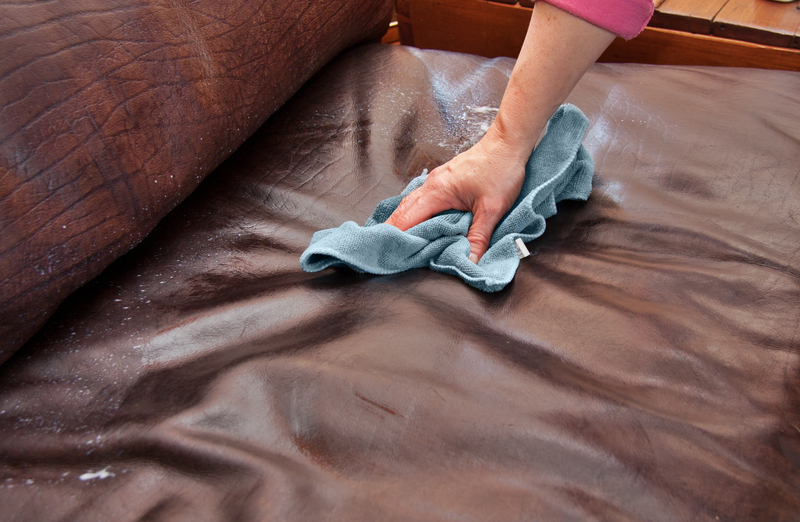
Not every sofa should be treated in the same way, and specialist upholstery deserves particular caution. Leather seating, for example, may need a different approach from fabric because the surface responds to conditioning and controlled cleaning rather than the methods used on absorbent textiles. Suede and similar finishes can be even more sensitive, so the work has to be planned with the material's texture and finish in mind. Our service is based on choosing a suitable method for the item in front of us.
Older sofas, mixed-material suites and pieces with decorative piping or buttons may also need a more careful process. Those details can trap dirt and make cleaning more awkward, but they also mean the furniture often benefits from a slow, deliberate approach. We look at what is practical, what is safe for the upholstery and what outcome is realistic for the condition of the piece. Where a full clean is not the right answer, a more limited treatment may be the better option.
If you are unsure how your sofa is finished, it is sensible to mention the fabric type when asking for a quotation. A short description of the upholstery, plus any labels or care instructions you can see, helps avoid unsuitable treatment. Clear information saves time and makes it easier to plan the work correctly from the outset.
Why regular upholstery care matters

Regular sofa cleaning is useful because upholstery absorbs daily life gradually rather than all at once. Dust settles into the weave, drink splashes leave edges and oils from hands or hair can create a darkened appearance where people sit most often. Over time, these effects make even a good sofa look tired. A sensible cleaning routine helps the furniture stay more presentable and can make the living space feel better cared for without replacing the item prematurely.
People often wait until a sofa looks obviously marked before arranging cleaning, but that is not the only point at which it helps. A routine clean can support better presentation between deep cleans and may also be useful before guests arrive, after heavy use or when a room has been redecorated and the sofa now stands out more. The exact frequency depends on use, household habits and the textile, so there is no single rule that suits every home.
Useful signs that upholstery would benefit from attention include faded appearance on the seating area, visible darkening on the arms, lingering marks from spills and a general lack of freshness despite normal vacuuming. When those signs start to show, a professional clean can be the practical next step. It is often easier to deal with the build-up before it becomes deeply settled into the fabric.
Other upholstery and soft furnishings we can support
Our main focus is sofa cleaning, but related upholstery items may also be suitable for attention where the material and condition allow it. Armchairs, dining chairs, footstools and similar pieces often benefit from the same careful method, especially when they are part of the same room and have collected comparable dirt. Treating matching furniture together can also help create a more even appearance across the space.
Some customers also ask about smaller soft furnishings or individual items that need a targeted clean rather than a whole-room treatment. In those cases, it is useful to describe exactly what the item is made from and what needs improving. The method should always match the item. Our upholstery cleaning service gives a clearer route for furniture beyond the standard sofa, while still keeping the work centred on fabric care and sensible results.
If the piece you want cleaned is unusual, antique or heavily worn, it is better to mention that early. Upholstery with age, repairs or mixed finishes can react differently to moisture and cleaning products, so the work may need adjusting. The more accurate the description, the easier it is to decide whether cleaning is the right answer and what kind of outcome is realistic.
Planning the clean and preparing a quotation

When we prepare a quotation for sofa cleaning, the main factors are usually the size of the item, the fabric type, the level of staining and how much treatment the upholstery is likely to need. A straightforward two-seater in decent condition is not the same as a large corner suite with mixed fabrics and several marks, so a quotation needs to reflect the actual job rather than a general assumption. That approach keeps the discussion clear and fair.
It helps to give a short description of the sofa, the number of seats, the material if known and any particular areas you want addressed. If you have photographs, they can be useful for showing the overall condition, though they are not the only factor we consider. Access is also worth mentioning if the furniture is in a tight room, on an upper floor or difficult to move. With that information in hand, we can prepare the quotation more accurately and avoid guesswork.
For a wider look at pricing factors and what influences the figure, you can read our pricing and quotes page. If you would rather keep it simple, send the key details and ask for a quotation in one message. Either way, the aim is to make the next step straightforward and based on the actual sofa, not a vague estimate.
About London
London is a vast capital city shaped by its long history, complex geography and constant change. It sits on the River Thames and developed from the Roman settlement of Londinium into one of the world's most influential urban centres. The City of London remains the historic core, while the wider metropolis spreads across many boroughs with distinct characters, from the formal government buildings of Westminster to the regenerated riverside districts of the Docklands. This layered structure gives London a strong sense of contrast, with medieval streets, Georgian terraces, Victorian neighbourhoods and contemporary towers often appearing within the same journey. The river itself remains central to the city's identity, crossed by bridges old and new and lined with paths, embankments and quays that reflect different periods of development. Museums, theatres, galleries and markets are woven into daily life, while large parks such as Hyde Park, Regent's Park and Hampstead Heath provide open space within the urban fabric. Many famous landmarks are spread across the centre, including the Houses of Parliament, St Paul's Cathedral, the Tower of London and Buckingham Palace, but London's character is not defined only by its monuments. It is also a city of local high streets, estates, squares, churchyards and residential enclaves, each with its own scale and rhythm. Public transport, especially the Underground and rail network, connects these varied districts and makes the city feel both enormous and tightly interlinked. The result is a place with a striking mix of heritage, commerce, government and culture, where old routes and new developments continue to sit side by side.
Choosing the right approach for your furniture
Different sofas respond differently to cleaning, so the right approach depends on more than just the visible marks. The fabric construction, the colour, the age of the piece and any previous cleaning attempts can all influence what is sensible. A strong product or heavy application is not automatically better; in many cases, controlled treatment gives a more reliable finish and reduces the risk of patchiness. The aim is to improve the sofa while respecting the upholstery.
For customers, the main decision is often whether the furniture needs a light refresh, a targeted stain treatment or a more thorough clean across the whole item. A sofa with localised spillages may not need the same attention as one that has become generally dull with use. If the suite has removable covers, special trim or delicate stitching, those details should be considered before the job starts. A clear assessment is the best way to choose the correct level of cleaning.
Where needed, we can discuss the practical limits of cleaning as well as the likely benefits. Some marks have been in place for a long time, some textiles have already faded unevenly and some items simply need a careful refresh rather than a dramatic transformation. Being realistic is part of doing the job well, because a sound method is more valuable than an exaggerated promise.
Arrange sofa cleaning in London

If your sofa needs a fresher appearance, a more even finish or help with marks that regular vacuuming cannot shift, our sofa cleaning service in London is a sensible place to start. We focus on the upholstery itself, the fabric it is made from and the level of care the item needs. That makes it easier to plan work that is appropriate for the sofa rather than relying on a one-size-fits-all routine. A well-chosen clean can make a noticeable difference to how the furniture presents in the room.
For the smoothest quotation process, tell us what the sofa is, how many seats it has, what kind of marks you are seeing and whether there are any access issues or care instructions to note. A short, accurate description is usually enough to begin with, and photos can help where the finish or staining is hard to describe. If you need the work grouped with another piece of upholstery, mention that as well so the scope is clear from the start.
To discuss the job and request a quotation, use our contact page. If you are still comparing options, keep our service in mind and come back when you are ready to move forward. The most useful next step is a clear enquiry, and we are ready to hear from you when that suits you.